
Rabia Waqar Khan, BACP
United Kingdom · 12 yrs exp · 3 languages
Works with Stress, Anxiety / Family / Parenting +8
Works by Acceptance and Commitment Therapy (ACT) / Client-Centred Therapy
View ProfileSpeaking in your own language can make it easier to express emotions, cultural concerns and family dynamics. Below you can browse Urdu-speaking therapists and counsellors to review profiles, languages and approaches.
Use the page tools to narrow options and find someone who matches your needs and preferences.
United Kingdom · 12 yrs exp · 3 languages
Works with Stress, Anxiety / Family / Parenting +8
Works by Acceptance and Commitment Therapy (ACT) / Client-Centred Therapy
View Profile
United Kingdom · 37 yrs exp · 4 languages
Works with Stress, Anxiety / Relationship / Family +9
Works by Acceptance and Commitment Therapy (ACT) / Attachment-Based Therapy
View Profile
United Kingdom · 8 yrs exp · 4 languages
Works with Stress, Anxiety / Relationship / Trauma and abuse +15
Works by Acceptance and Commitment Therapy (ACT) / Attachment-Based Therapy
View Profile
United Kingdom · 6 yrs exp · 3 languages
Works with Stress, Anxiety / Relationship / Family +8
Works by Client-Centred Therapy / Emotionally-Focused Therapy (EFT)
View Profile
United Kingdom · 19 yrs exp · 4 languages
Works with Stress, Anxiety / Family / Trauma and abuse +16
Works by Client-Centred Therapy
View Profile
United Kingdom · 5 yrs exp · 4 languages
Works with Relationship / Trauma and abuse / Intimacy-related issues +14
Works by Attachment-Based Therapy / Client-Centred Therapy
View Profile
United Kingdom · 4 yrs exp · 3 languages
Works with Stress, Anxiety / Relationship / Family +7
Works by Attachment-Based Therapy / Client-Centred Therapy
View Profile
United Kingdom · 6 yrs exp · 2 languages
Works with Stress, Anxiety / Relationship / Trauma and abuse +12
Works by Attachment-Based Therapy / Client-Centred Therapy
View Profile
United Kingdom · 5 yrs exp · 3 languages
Works with Relationship / Trauma and abuse / Parenting +16
Works by Acceptance and Commitment Therapy (ACT) / Attachment-Based Therapy
View Profile
United Kingdom · 9 yrs exp · 2 languages
Works with Stress, Anxiety / Family / Grief +2
View Profile
United Kingdom · 5 yrs exp · 3 languages
Works with Stress, Anxiety / Addictions / Relationship +16
Works by Client-Centred Therapy / Cognitive Behavioural Therapy (CBT)
View Profile
United Kingdom · 10 yrs exp · 2 languages
Works with Stress, Anxiety / Grief / Self esteem +2
View Profile
United Kingdom · 4 yrs exp · 3 languages
Works with Stress, Anxiety / Relationship / Trauma and abuse +2
Works by Client-Centred Therapy
View Profile
United Kingdom · 15 yrs exp · 3 languages
Works with Stress, Anxiety / Addictions / Relationship +14
Works by Client-Centred Therapy / Cognitive Behavioural Therapy (CBT)
View Profile
United Kingdom · 8 yrs exp · 4 languages
Works with Stress, Anxiety / Relationship / Grief +12
Works by Client-Centred Therapy / Cognitive Behavioural Therapy (CBT)
View Profile
United Kingdom · 9 yrs exp · 4 languages
Works with Stress, Anxiety / Relationship / Family +17
Works by Acceptance and Commitment Therapy (ACT) / Attachment-Based Therapy
View Profile
United Kingdom · 4 yrs exp · 4 languages
Works with Stress, Anxiety / Relationship / Family +2
Works by Client-Centred Therapy
View Profile
United Kingdom · 4 yrs exp · 4 languages
Works with Grief / Self esteem / Stress, Anxiety +8
Works by Acceptance and Commitment Therapy (ACT) / Attachment-Based Therapy
View Profile
United Kingdom · 12 yrs exp · 4 languages
Works with Stress, Anxiety / Relationship / Grief +8
Works by Attachment-Based Therapy / Client-Centred Therapy
View Profile
United Kingdom · 14 yrs exp · 4 languages
Works with Stress, Anxiety / Family / Grief +10
Works by Acceptance and Commitment Therapy (ACT) / Attachment-Based Therapy
View Profile
United Kingdom · 16 yrs exp · 4 languages
Works with Stress, Anxiety / Relationship / Trauma and abuse +17
Works by Acceptance and Commitment Therapy (ACT) / Attachment-Based Therapy
View Profile
United Kingdom · 4 yrs exp · 2 languages
Works with Stress, Anxiety / Trauma and abuse / Grief +16
Works by Attachment-Based Therapy / Client-Centred Therapy
View Profile
United Kingdom · 4 yrs exp · 3 languages
Works with Relationship / Parenting / Self esteem +11
Works by Acceptance and Commitment Therapy (ACT) / Client-Centred Therapy
View Profile
United Kingdom · 27 yrs exp · 3 languages
Works with Stress, Anxiety / Relationship / Eating +17
Works by Attachment-Based Therapy / Client-Centred Therapy
View Profile
United Kingdom · 6 yrs exp · 3 languages
Works with Stress, Anxiety / Relationship / Grief +17
Works by Attachment-Based Therapy / Client-Centred Therapy
View Profile
United Kingdom · 9 yrs exp · 3 languages
Works with Stress, Anxiety / Relationship / Family +14
Works by Client-Centred Therapy / Emotionally-Focused Therapy (EFT)
View Profile
United Kingdom · 5 yrs exp · 3 languages
Works with Stress, Anxiety / Relationship / Family +8
Works by Acceptance and Commitment Therapy (ACT) / Client-Centred Therapy
View Profile
United Kingdom · 3 yrs exp · 4 languages
Works with Stress, Anxiety / Addictions / Relationship +2
View Profile
United Kingdom · 7 yrs exp · 2 languages
Works with Stress, Anxiety / Addictions / Relationship +16
Works by Attachment-Based Therapy / Client-Centred Therapy
View Profile
United Kingdom · 4 yrs exp · 4 languages
Works with Stress, Anxiety / Relationship / Family +13
Works by Attachment-Based Therapy / Client-Centred Therapy
View Profile
United Kingdom · 21 yrs exp · 4 languages
Works with Stress, Anxiety / Relationship / Family +12
Works by Client-Centred Therapy / Cognitive Behavioural Therapy (CBT)
View Profile
United Kingdom · 3 yrs exp · 3 languages
Works with Stress, Anxiety / Relationship / Family +10
Works by Client-Centred Therapy / Solution-Focused Therapy
View Profile
United Kingdom · 3 yrs exp · 4 languages
Works with Stress, Anxiety / Relationship / Trauma and abuse +7
Works by Attachment-Based Therapy / Client-Centred Therapy
View Profile
United Kingdom · 22 yrs exp · 3 languages
Works with Stress, Anxiety / Addictions / Relationship +15
Works by Client-Centred Therapy / Existential Therapy
View Profile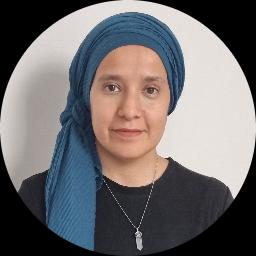
United Kingdom · 7 yrs exp · 2 languages
Works with Family / Trauma and abuse / Grief +14
Works by Acceptance and Commitment Therapy (ACT) / Attachment-Based Therapy
View Profile
United Kingdom · 3 yrs exp · 3 languages
Works with Relationship / Family / Grief +2
Works by Client-Centred Therapy / Cognitive Behavioural Therapy (CBT)
View Profile
United Kingdom · 12 yrs exp · 2 languages
Works with Stress, Anxiety / Relationship / Family +12
Works by Acceptance and Commitment Therapy (ACT) / Attachment-Based Therapy
View Profile
United Kingdom · 15 yrs exp · 2 languages
Works with Stress, Anxiety / Relationship / Family +12
Works by Acceptance and Commitment Therapy (ACT) / Client-Centred Therapy
View Profile
United Kingdom · 3 yrs exp · 4 languages
Works with Stress, Anxiety / Relationship / Grief +2
View Profile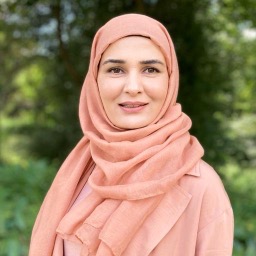
United Kingdom · 4 yrs exp · 4 languages
Works with Stress, Anxiety / Relationship / Trauma and abuse +13
Works by Acceptance and Commitment Therapy (ACT) / Attachment-Based Therapy
View Profile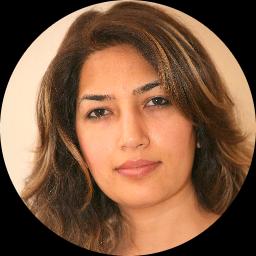
United Kingdom · 5 yrs exp · 4 languages
Works with Stress, Anxiety / Trauma and abuse / Grief +8
Works by Acceptance and Commitment Therapy (ACT) / Client-Centred Therapy
View Profile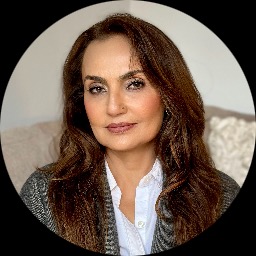
United Kingdom · 4 yrs exp · 4 languages
Works with Stress, Anxiety / Trauma and abuse / Eating +11
Works by Psychodynamic Therapy
View Profile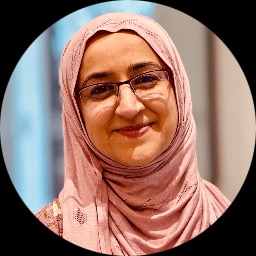
United Kingdom · 3 yrs exp · 2 languages
Works with Stress, Anxiety / Relationship / Grief +2
Works by Client-Centred Therapy / Cognitive Behavioural Therapy (CBT)
View Profile
United Kingdom · 3 yrs exp · 3 languages
Works with Stress, Anxiety / Addictions / Trauma and abuse +9
View Profile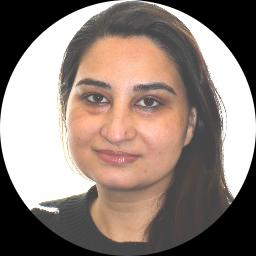
United Kingdom · 15 yrs exp · 4 languages
Works with Stress, Anxiety / Trauma and abuse / Grief +2
Works by Client-Centred Therapy / Cognitive Behavioural Therapy (CBT)
View ProfileWhen you meet with a therapist who speaks Urdu, you often gain access to a broader emotional vocabulary and cultural context that would otherwise be difficult to convey. Certain feelings, metaphors and family experiences are tied to language and to shared cultural frames. Expressing these in Urdu can allow you to explain how family honour, intergenerational expectations or faith practices shape your day-to-day life without needing to translate complex ideas into a second language. That immediacy can help conversations feel more natural and can reduce the effort of explaining background information every session.
Beyond words, there are patterns of speech, tone and indirect expression that are familiar within Urdu-speaking communities. A therapist who understands these patterns is more likely to interpret what you say in the way you intend. This does not guarantee a particular outcome, but it can change the shape of conversations and make it easier for you to explore sensitive topics that might feel awkward in a language you use less often. If cultural nuance matters to you, searching for a practitioner who lists Urdu among the languages they use is a practical first step.
Language barriers do more than slow communication. When you attempt to discuss grief, shame, or confusion in a second language you may find the words feel blunt, incomplete or inaccurate. Subtle emotions often rely on idioms and context rather than literal translation. Those nuances can be lost when you and your therapist do not share the same native language, and you might end up describing feelings in simpler terms that do not reflect the full experience.
Using an interpreter can be helpful in some settings, but it can also change the dynamic of a session. Introducing a third person alters the flow of conversation and may limit spontaneity. It can be harder to explore intimate matters when someone else is present, and some people worry about involving community members in personal concerns. If you prefer not to work with an interpreter, looking for a therapist who lists Urdu among their communication languages may allow you to speak more freely and preserve the direct therapeutic connection you want.
Online therapy with an Urdu-speaking therapist can take place by video call, telephone or text-based messaging, depending on the clinician and the services they offer. Sessions usually begin with an introductory conversation where you can describe the reasons you are seeking support and discuss what you hope to achieve. In that early exchange you can explore session length, frequency and whether remote meetings will fit your routine. Because services are delivered digitally, you may find it easier to attend from home, from work during a break, or while travelling between places in the UK.
Expect the early stage of therapy to focus on building rapport and clarifying goals. You and the therapist will likely explore background information such as family structure, cultural traditions and key stressors that have led you to look for help. If you prefer discussion framed by faith, community values or cultural norms, you can state that up front. Many therapists will describe the approaches they use and the kinds of matters they work with. Some therapists list cognitive behavioural strategies, psychodynamic ideas or family therapy among their approaches, which you can take into account when deciding who to contact.
People from Urdu-speaking communities often raise similar concerns when they consider therapy. Cultural stigma around mental health can make it difficult to ask for help. You might worry about how family members will react, or about community gossip. These concerns are valid and many practitioners are aware of how stigma shapes help-seeking. Another common issue is finding a therapist who understands cultural expectations around gender roles, marriage, parenting and intergenerational care. These areas can be central to the challenges you want to address, and a therapist who appreciates the cultural lens may help you frame those topics more comfortably.
Language dialects, regional expressions and religious practices can also affect your search. Urdu as spoken in different regions carries varied idioms and references, and you may prefer a therapist who shares a similar cultural background or who has experience working with diaspora communities. Practical worries such as cost, session length and whether therapy aligns with religious observance are important too. Taking time to read profiles and look for mentions of relevant experience can help you identify clinicians who are more likely to understand the specific pressures you face.
Online therapy widens the range of practitioners you can reach beyond your local area. If you live in a town where few Urdu-speaking clinicians practise, remote sessions let you connect with professionals elsewhere in the UK who use Urdu in sessions. This increased choice can help you find someone whose experience and approach match your needs. Remote work also allows you to fit sessions around family commitments, work patterns or travel, which can be particularly helpful if you care for children or elderly relatives.
Another benefit is the ability to compare profiles and approaches from home before making contact. Reading about a practitioner in advance lets you look for mentions of cultural competency, client focus areas and the therapeutic approaches they list. For some people, starting therapy from a familiar environment makes it easier to open up in the early sessions. If meeting in person feels daunting, remote sessions can be a gentle way to begin the process of seeking support while preserving the daily routines that matter to you.
When you begin your search, review profiles for information that matters to you. Look for therapists who are registered, accredited or otherwise qualified under UK professional bodies, and read descriptions of the issues they mention working with. Pay attention to the languages listed and any notes about cultural experience or community knowledge. If a clinician lists specific approaches among their practices, remember this indicates what they use rather than formal endorsements of training. Consider whether you prefer a therapist who shares your gender, cultural background or faith perspective, and whether you want someone whose expertise includes family, relationship or migration-related concerns.
When you contact a therapist, a short message explaining why you are reaching out and what you hope to achieve can help both of you decide if it is a fit. Ask about session format, fees and what their initial process looks like, and feel free to enquire about how they work with cultural issues. Trust your sense of how the interaction feels: a respectful, empathetic reply that acknowledges your concerns is often a good sign. If the first contact does not feel right, you can continue your search until you find someone who meets your needs. Taking these steps can make the process feel more manageable and help you find a working relationship where you can speak openly in Urdu.